

SpaceX’s Falcon 9 launched its 150th mission this year, carrying 29 Starlink satellites into orbit and marking a standout milestone in space operations.

What if our 3D universe is actually a projection encoded on a two‑dimensional boundary? The holographic principle offers this radical possibility.

Astronomers observed a surprisingly lopsided gas disk around star Gomeisa using a new photonic lantern device, revealing early stellar-formation dynamics.
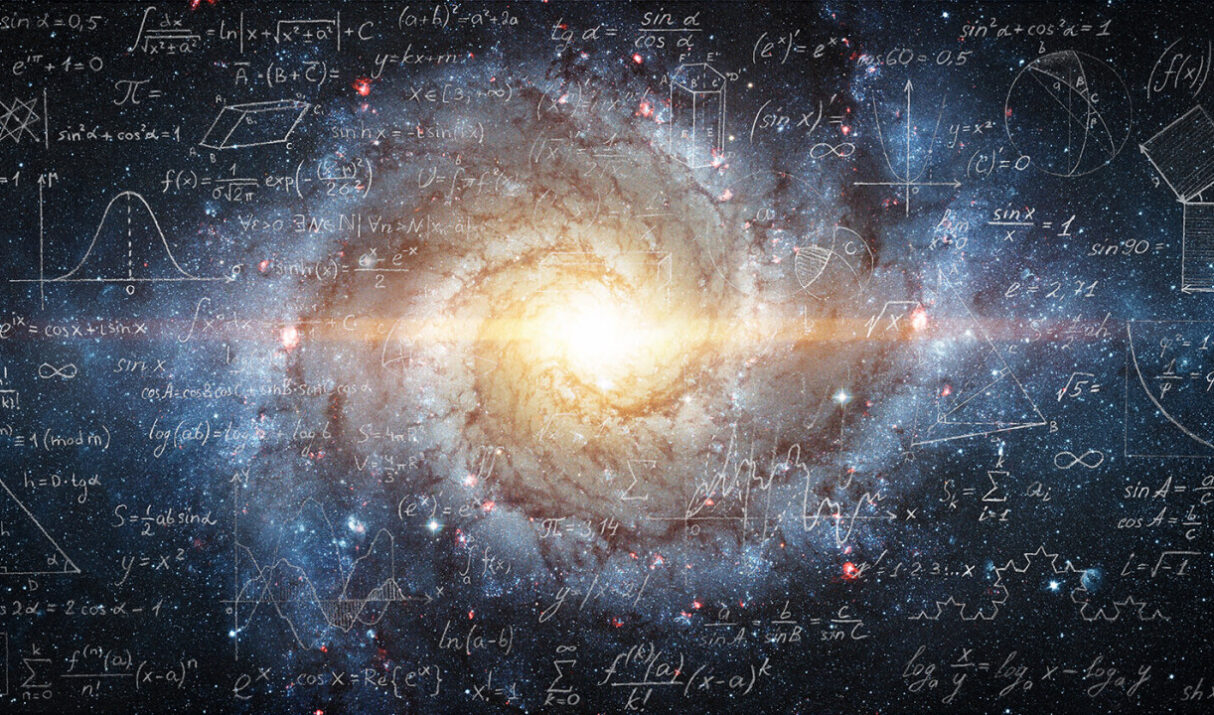
What if our universe isn’t made of matter at all, but pure mathematics, shaping not just physics but the very fabric of consciousness itself?

Scientists explore whether the speed of light changes. VSL theories and recent reviews test c’s constancy and search for telltale observational traces.
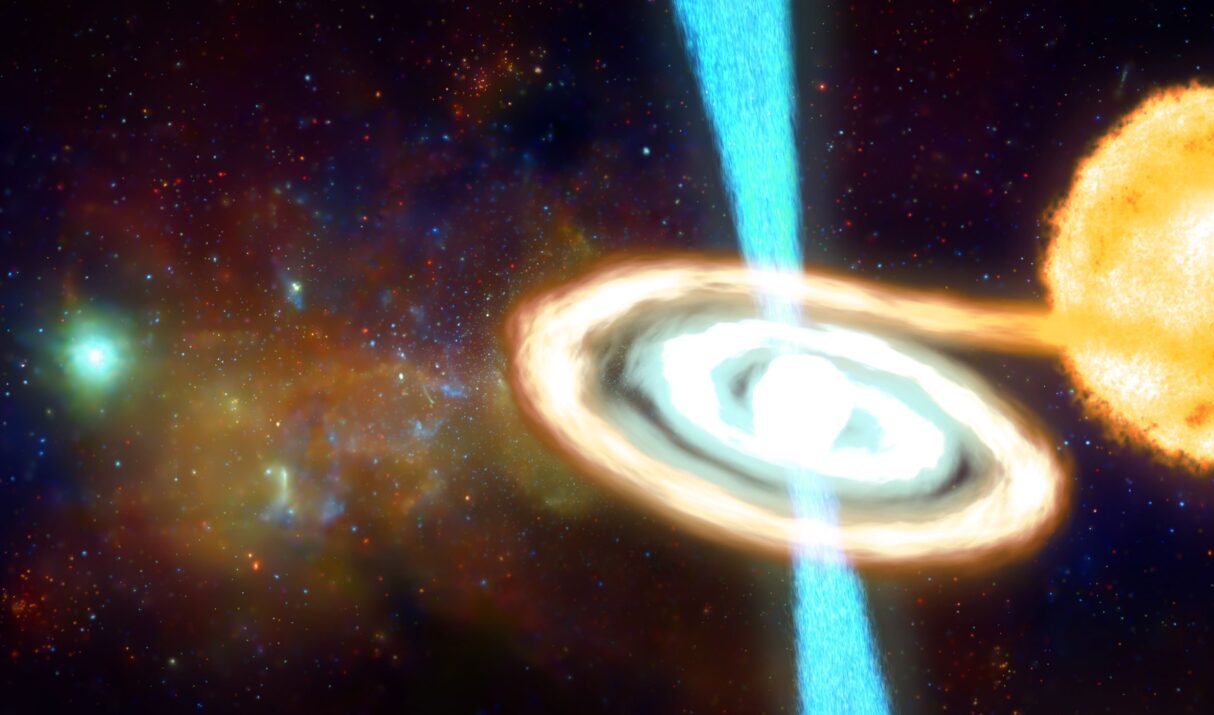
Astronomers detect a faint gamma-ray glow at the Milky Way’s center that may hint at dark matter collisions, not proven yet.
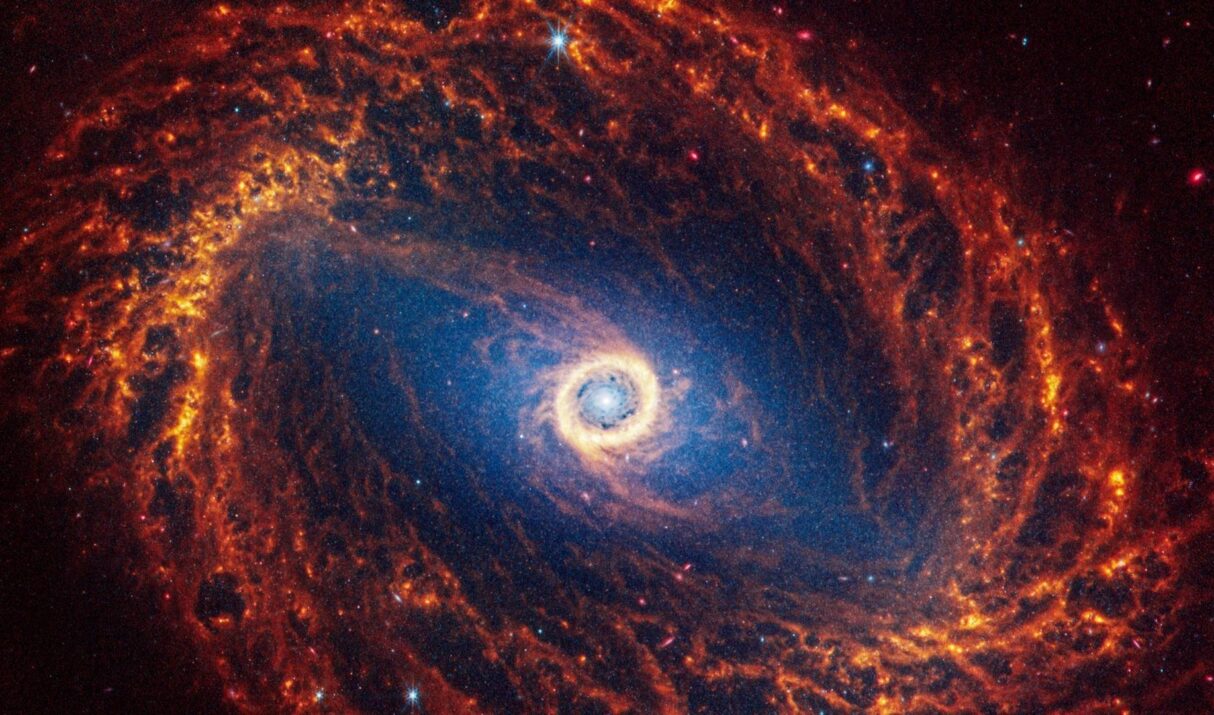
Scientists suggest the universe may have sprung from a quantum event, not classical nothingness, according to recent no-boundary, tunneling, and bounce theories.
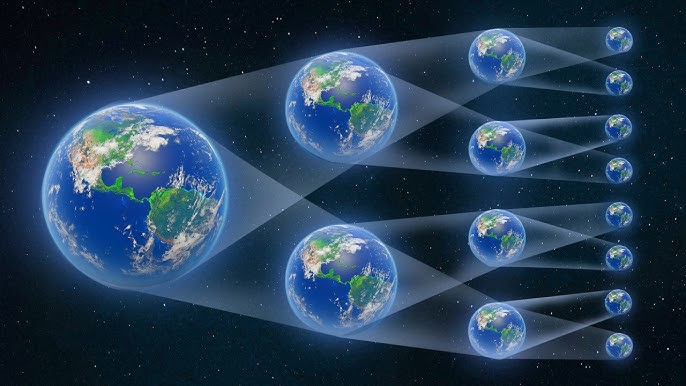
Imagine if our universe isn’t unique. What if there are countless other universes, each different from ours, hidden beyond our view?
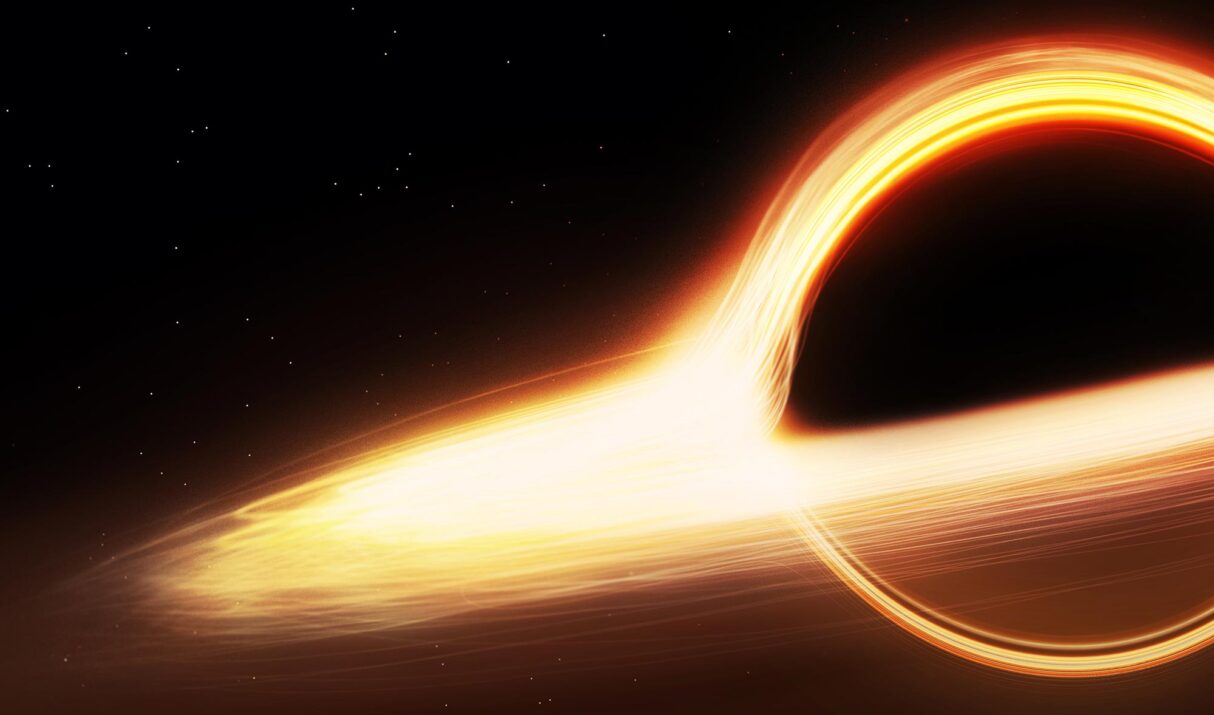
Black holes shape galaxies through gravity, radiation, and cosmic winds, tearing apart stars, driving jets, and slowing star formation across the universe.