

Scientists observed a supermassive black hole flare shining like ten trillion suns, marking the most distant and brightest flare ever detected.

Discover how far we can see into the universe, what defines our cosmic horizon, and why some regions remain forever hidden.

New research suggests the universe’s expansion is now decelerating rather than accelerating, challenging dark energy and rewriting cosmic destiny.

A new AI system accelerates space-signal detection by 600×, enabling real-time discovery of fast transients and potential technosignatures in radio astronomy.

Astronomers observed a surprisingly lopsided gas disk around star Gomeisa using a new photonic lantern device, revealing early stellar-formation dynamics.

A winged cloud of glowing gas and dust, RCW 94 and RCW 95, forms a spooky and mysterious “cosmic bat” in our galaxy’s southern sky.
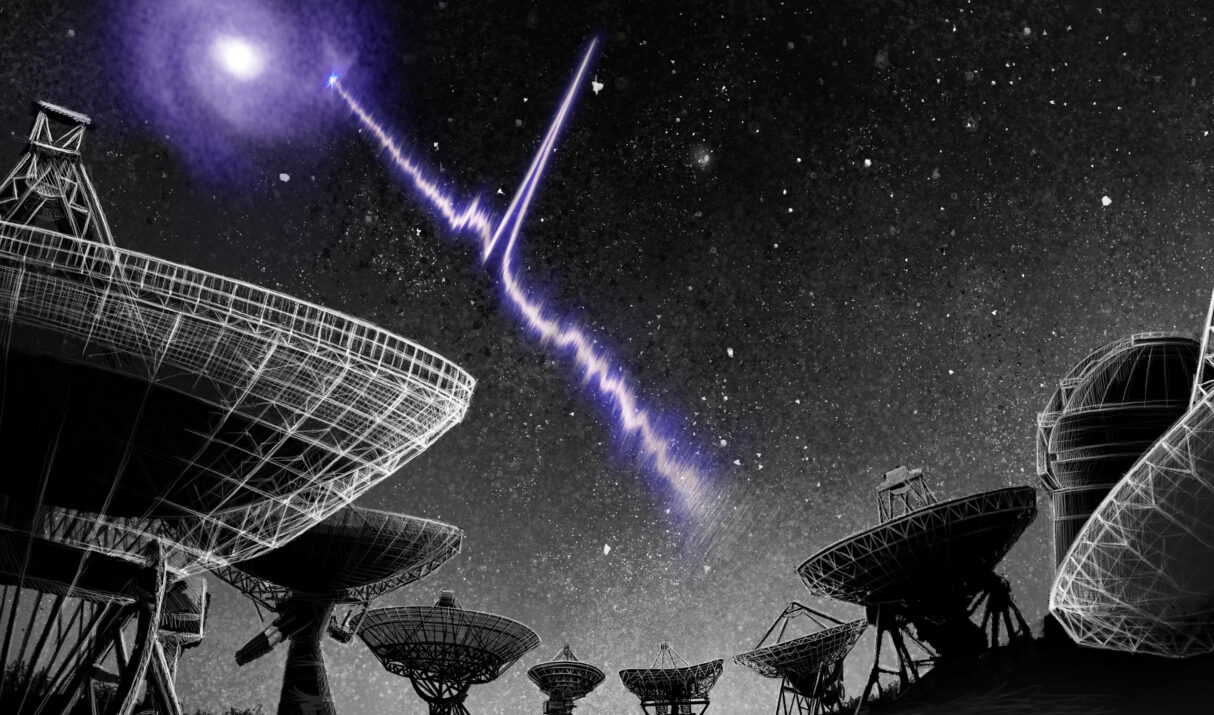
Fast radio bursts remain one of astronomy’s greatest mysteries: millisecond flashes from distant galaxies that challenge our understanding of space and time.
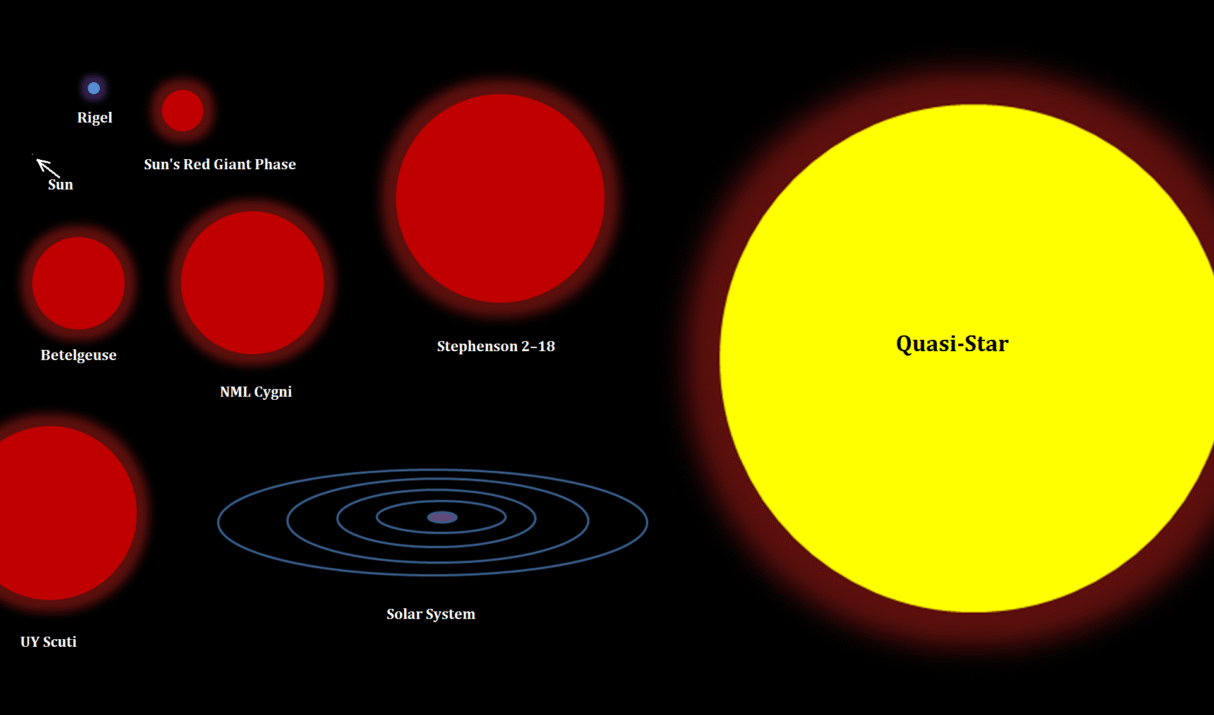
Quasi-stars are hypothetical massive envelopes imprisoning black holes at their cores, forming early in the universe as the seeds of supermassive black holes.
What if our universe isn’t made of matter at all, but pure mathematics, shaping not just physics but the very fabric of consciousness itself?