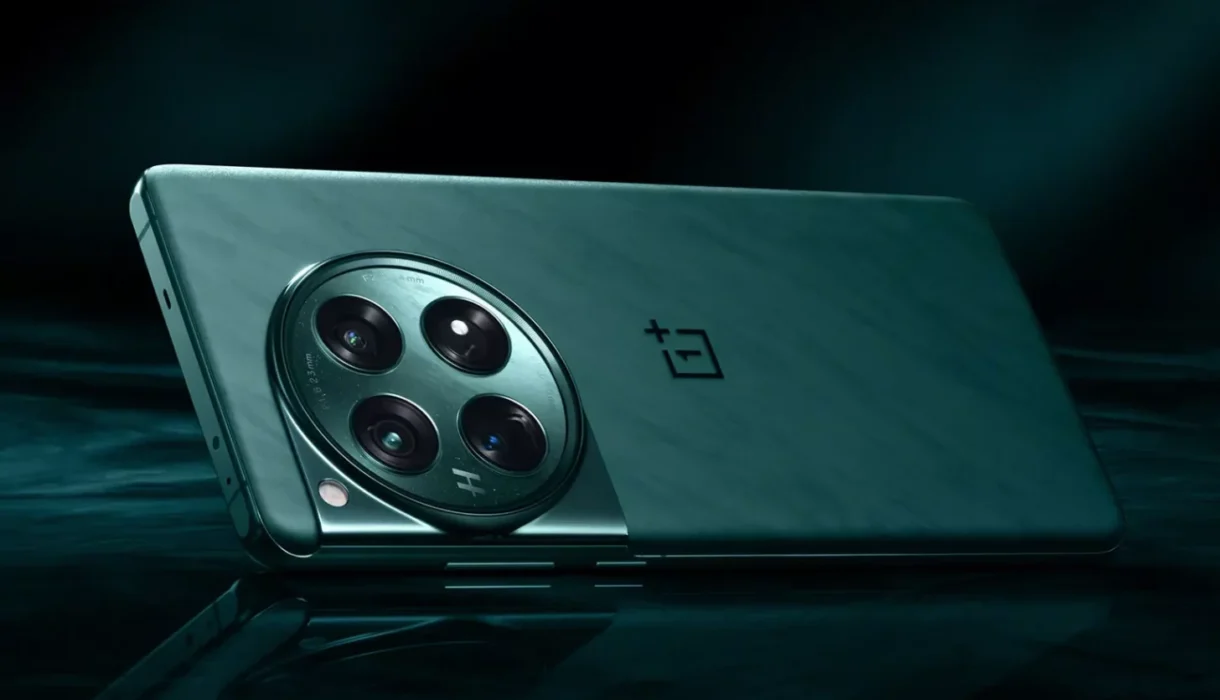

On November 2025, OnePlus showcased the new “Gaming Technology” platform before the launch of the highly awaited OnePlus 15. At the heart of this is the proprietary OP Gaming Core, HyperRendering GPU pipeline enhancement, and a Tri-Chip architecture. The company claims this architecture will enable stable mobile gameplay at 120 frames-per-second (fps) or higher in flagship Android games.
What the new technology actually includes
The OnePlus gaming announcement explains three major parts:
- OP Gaming Core: This is a chip-level optimization module built from more than 20,000 lines of original code and 254 gaming-patents. It sits at the interface of silicon, firmware, and software to improve performance and control.
- HyperRendering: An entirely redesigned GPU rendering pipeline provides up to 80% per-frame efficiency improvement that reduces latency and allows for smoother high-fps flow.
- Performance Tri-Chip system: The three-chip system of the Performance Chip includes the Snapdragon 8 Elite Gen 5 with an embedded OP Gaming Core, a Touch-Response Chip at 330Hz sampling, 3200Hz instant, and a Wi-Fi Chip G2 for better connectivity under heavy gaming load.
All these together are aimed at overcoming some of the classic mobile gaming problems, such as frame-rate drops, overheating, lag in touch response, and connectivity glitches-especially over long sessions.
Why 120 fps matters
It’s true that mobile gaming has moved past 30 fps and often 60 fps, but for competitive players and visuals-rich titles, smoother 120 fps-and even 165 fps, as OnePlus hints-makes a difference in responsiveness, precision, and feel. According to OnePlus, their technology will provide consistent 120 fps in popular titles and reduce fluctuations to improve the overall quality.
Another important factor is heating and power consumption. By doing so, the platform optimizes scheduling and resource use to reduce CPU overhead by ~22.7% in the best of cases, along with improved power efficiency: longer sessions, reduced throttling, fewer hot spots.
Benefits you will see in real life
When you pick up a OnePlus 15 with this tech, expect:
- Smooth 120 fps gameplay, even in open-world or multiplayer titles, and fewer stutters.
- Faster and more precise touch control via the dedicated Touch-Response Chip at 330Hz+.
- Stronger Wi-Fi, fewer lags even in weak signal areas because of using Wi-Chip G2.
- Cooler body temperatures and longer battery life during heavy play, due to better scheduling and thermal design.
This matters not just for gamers but for creators too: screen-recording at high fps, streaming gameplay, or even using the phone for real-time tasks will benefit.
It's not a matter of just one game.
OnePlus claims the ecosystem targets a 165Hz display and 165 fps support in future titles under the OP FPS Max brand. While the hardware can already do 120 fps today, this roadmap suggests OnePlus is taking mobile gaming into PC territory.
Why this matters for the smartphone market
Mobile gaming is a huge and growing segment. The flagship phones are not about cameras alone; performance and gaming do matter. With a focus on docile frame-rate, cooling, and long sessions, OnePlus positions itself uniquely. The chip-level work also means OnePlus is less reliant on generic SoCs and software patches; they’re building differentiated gaming hardware.
Competitors will need to respond: high-fps displays, better cooling, dedicated touch chips and network hardware. OnePlus’ announcement raises the bar, 120 fps is now part of premium mobile gaming, not just a marketing number.
Challenges ahead
While promising, this tech rollout does face headwinds:
- Game Support: To deliver 120 fps, it requires support from both game engines and developer partnerships; otherwise, hardware isn’t fully utilized.
- Platform integration: The tri-chip system requires a new set of drivers and firmware, which has to work seamlessly with Android and current games.
- Heat and battery: Even optimized chips generate heat; long sessions still test limits.
- Global availability: Some regions may have to wait for the full feature sets, and OnePlus needs to work out how to consistently deliver this globally.
What to watch next
- The OnePlus 15 launches on 13 November 2025, this will show real user performance and benchmarks.
- Game updates and partnerships listing 120 fps or 165 fps support within this hardware ecosystem.
- Third-party reviews for sustained fps, temperature, and battery drain.
- Comparison with the high-fps offerings from competitors, such as Samsung, Xiaomi, and ASUS, to see where OnePlus stands.