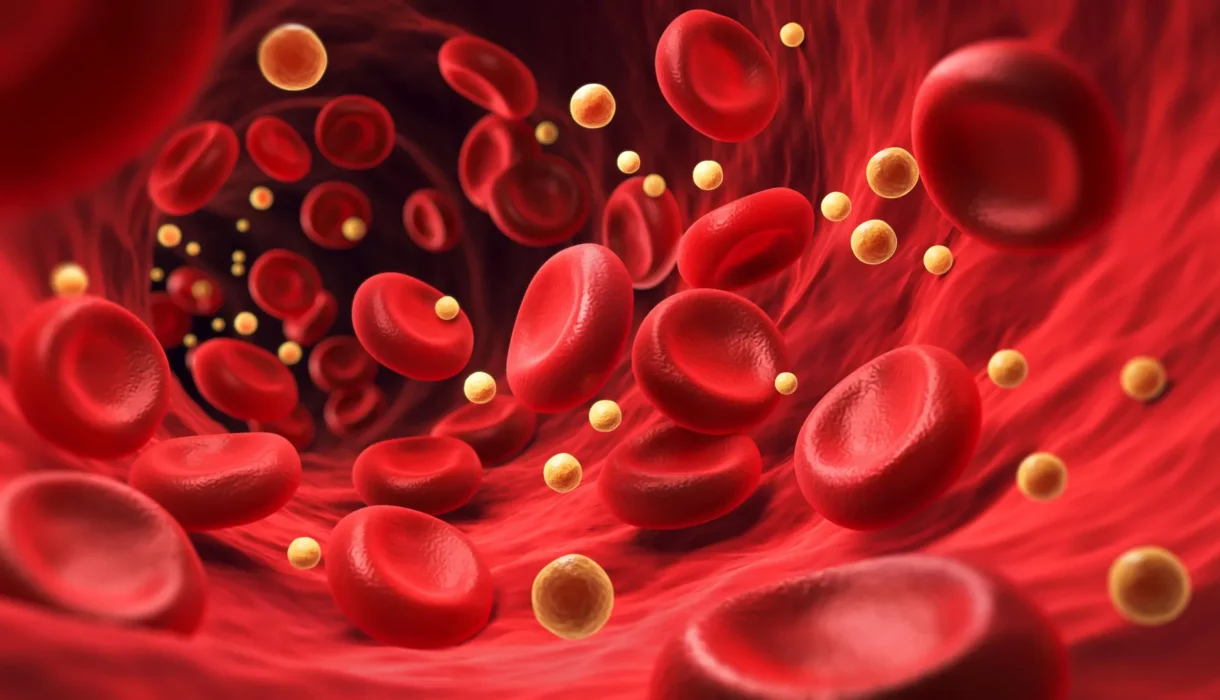

Scientists reported on 31 October 2025, that a molecule in the blood called CtBP2 (C-terminal-binding protein 2) seems to play a major role in how our bodies age. Lower levels of CtBP2 were related in this study to signs of faster biologic aging and worse health outcomes, whereas higher CtBP2 levels correlated with better health and longer life-span markers. The finding could yield a new method for measuring and possibly even manipulating the process of aging.
Why this matters
We have long known that chronological age does not always reflect biological age-how the body functions. Some 60-year-old people function like 40-year-olds; others like 70-year-olds. A valid biomarker reflecting the aging process might just change how we assess health, intervene early in age-related disease, and tailor treatments for longevity. CtBP2 might be such a marker.
How the researchers found it
The team analyzed blood samples from thousands of persons over a wide range of ages and health conditions. They measured CtBP2 levels and compared them with known hallmarks of aging, such as physical performance, frailty, cellular senescence markers, and incidence of disease. They found a surprising correlation: those with higher levels of CtBP2 had fewer age-associated problems and lived more healthily. Then they performed lab experiments showing that reducing CtBP2 in cells triggered stress responses and aging-related pathways, while boosting CtBP2 improved cell resilience.
What CtBP2 really does
CtBP2 operates in cells as a transcriptional co-repressor-that is, it regulates gene-expression programs associated with metabolism, stress response, and cell survival. The new study finds that CtBP2 helps cells cope with metabolic stress and protect themselves against damage that occurs with age. If CtBP2 is low, cells may be less able to cope with minor damage and so exhibit early signs of aging.
Implications for medicine and aging research
The CtBP2 discovery opens several possibilities:
- Personalized health assessments might measure levels of CtBP2 in the blood for a reading of one’s “biological” age.
- New therapies: If boosting CtBP2 can slow cell aging, drugs or lifestyle strategies to raise its level or enhance its function may promote health span extension.
- Disease prevention: Many age-onset diseases, such as heart disease, neurodegenerative disease, and metabolic syndrome, could be intercepted earlier if CtBP2 proves predictive and causal.
- Public Health: The monitoring of CtBP2 levels within a population can help in the identification of high-risk groups and may inform interventions.
What we still don’t know
Important questions still remain:
- Causation vs. correlation: Is low CtBP2 causing aging, or is it just a marker of other underlying damage?
- Interventions: Can CtBP2 be safely overexpressed in humans and what might the long-term consequences be?
- Variation: Do CtBP2 levels vary across populations, ethnicities, or the environment, and how stable are they over time?
- Mechanisms: How CtBP2 influences the complex web of aging-related pathways is a matter that requires deeper study.
Broader context in aging research
Biomarkers of aging are another big frontier. Telomere length, epigenetic clocks, and senescence indicators all try to measure the rate at which someone is aging. CtBP2 adds a new dimension: a metabolic/transcriptional regulator that appears in blood and is associated with health span. It is part of the growing toolkit for the science of aging, and it may also help integrate how metabolism, stress, and gene regulation drive aging.
Why you should care
Even if you’re healthy today, understanding your biological age gives you the edge in choosing lifestyle changes, medical monitoring, or preventive strategies tailored to your needs. A marker like CtBP2 would perhaps become routine in check-ups in the future. For society, it would mean going from “treating disease when it arrives” to “maintaining health across years.”
Watch to know more
What to watch next
- Clinical trials investigating therapies that influence CtBP2 activity.
- Longitudinal studies measuring CtBP2 and tracking health outcomes over decades.
- Research lifestyle factors that naturally affect CtBP2 levels, such as diet, exercise, and sleep. Integration of CtBP2 testing into wellness and medical screening services.