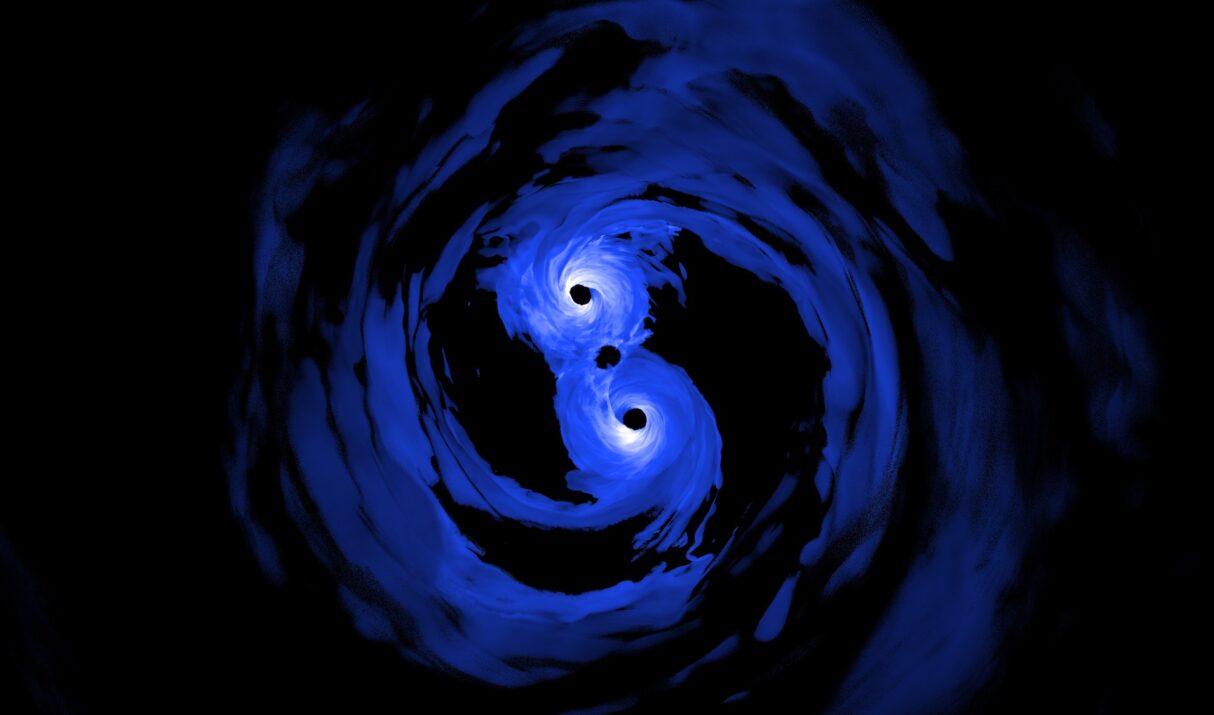

Tiny ripples stacking from many cosmic sources could be stronger than we thought, now offering new ways to study the early universe.
IBM buys Confluent for $11 billion to speed cloud data streaming, aiming to boost AI services and real-time data flow for enterprises.

Scientists developed a simple, low‑energy method to break down Teflon waste into useful fluoride compounds, a hopeful step for plastic recycling.

Tiny “zaps” heard by a rover show Mars’ dust storms spark real static electricity, a surprising find that changes how we see the planet’s atmosphere.

Scientists explore whether exotic matter could stabilize wormholes, cosmic tunnels that might let us travel across the universe through spacetime shortcuts.

From global ransomware to pipeline hacks, real cyber attacks show why strong cyber security and ethical hacking are more vital than ever.

Scientists recently found that ribosomes act as a hidden cellular alarm, collisions trigger stress signals that protect cells from damage.

A solar system comet, C/2025 K1 (ATLAS), shattered into pieces after passing near the Sun — a rare cosmic breakup now unfolding.

A new study suggests we may have finally glimpsed dark matter, gamma rays from our Milky Way’s core might be its long‑lost signal.